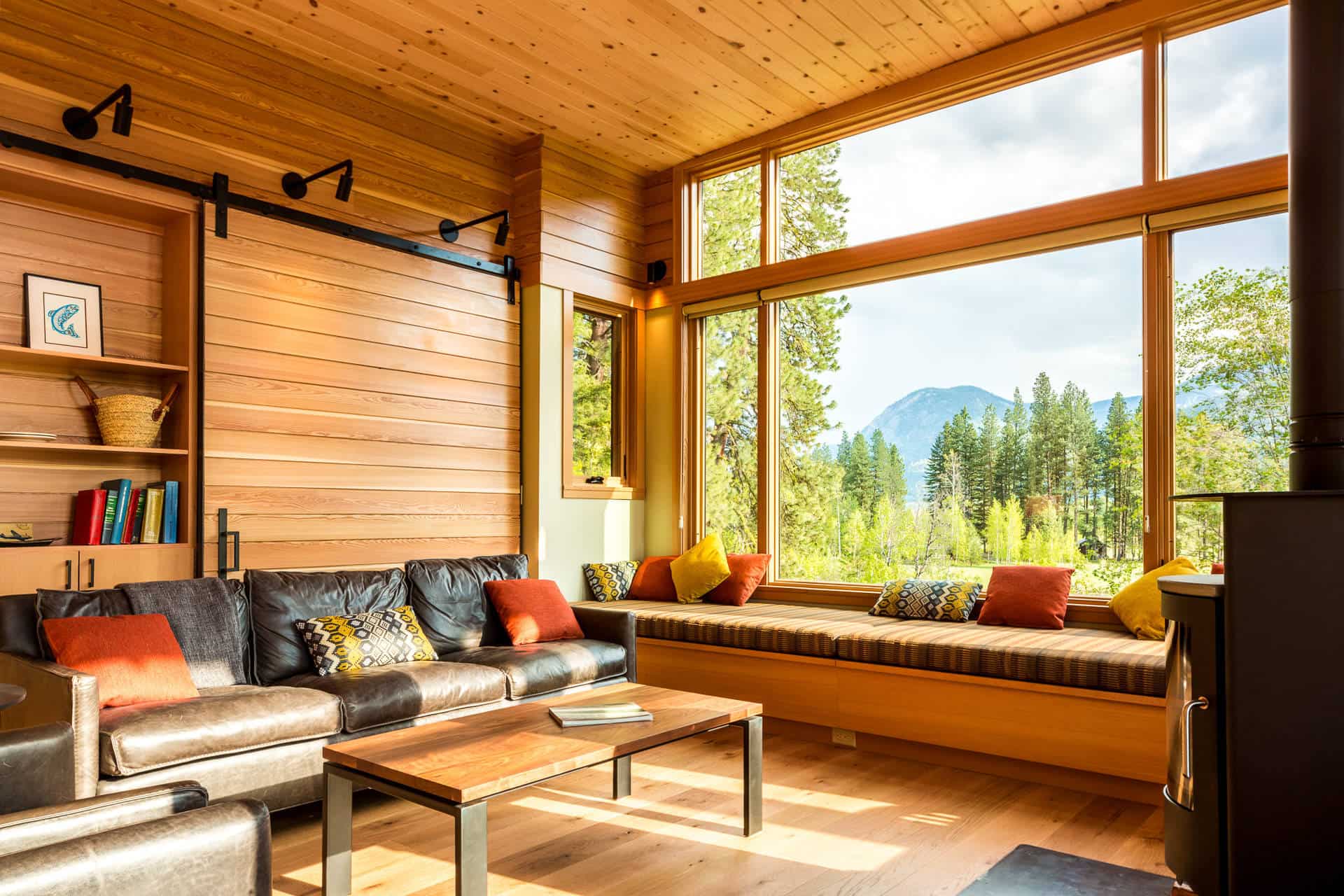
Creating an optimal nap environment requires careful attention to several key factors that directly impact sleep quality. Sleep medicine specialists consistently recommend a holistic approach that addresses temperature, light, sound, comfort, and overall atmosphere.
The Foundation: Temperature Control
The most critical factor in nap room design is maintaining the correct temperature. Dr. Cheri D. Mah, a sleep physician and co-head of the Restorative Sleep pillar at Stanford Lifestyle Medicine, emphasizes that “the bedroom should be like a cave—dark, cool, and quiet.” Sleep experts recommend maintaining a temperature between 60 to 67 degrees Fahrenheit (15.6 to 20 degrees Celsius) for optimal sleep quality. This cooler environment supports your body’s natural temperature drop that occurs when preparing for sleep, making it easier to fall asleep faster and maintain continuous, uninterrupted sleep.
If you run warm and struggle with napping, consider using breathable, moisture-wicking bedding materials such as cotton, bamboo, or silk. These materials allow your skin to breathe and prevent heat buildup. Avoid foam or overly soft mattress toppers that can trap heat, and if possible, invest in cooling mattress covers. For those in warmer climates, using a fan can effectively circulate air and create the ideal napping environment.
Darkness: The Melatonin Trigger
Darkness is essential for sleep initiation. Light exposure delays melatonin production, your body’s natural sleep hormone, preventing you from falling asleep when desired. To create a truly dark nap space, use blackout curtains or blackout blinds that completely block light from entering—the room should be too dark to read a book in normal daylight conditions.
For those without access to dedicated dark rooms, sleep masks provide an affordable and portable solution that effectively blocks light stimulation. Choose light colors for your curtains that don’t trap heat while effectively blocking light penetration.
Sound Management: Acoustic Optimization
Research demonstrates that room acoustics significantly influence sleep structure. A study published in a peer-reviewed medical journal found that in an acoustically isolated room, participants experienced 16 to 34 minutes more deep sleep compared to noisier environments, with fewer arousal events.
Aim to make your nap space as quiet as possible. If external noise is unavoidable, use white noise or pink noise machines positioned away from your head (not directly beside you). The American Academy of Pediatrics recommends keeping white noise at or below 50 decibels. These background sounds mask disruptive household noises and provide consistent auditory cues signaling sleep time.
Furniture and Bedding: Comfort Matters
Your mattress and bedding are foundational investments for comfortable napping. Choose a firm, stable mattress made from high-quality materials that properly supports your body and aligns your neck and spine. Your pillow should be solid but flexible, supporting the base of your neck and holding your head straight.
Bedding should be soft, comfortable, and appropriately weighted—not too heavy, which can cause overheating. High-quality cotton or linen beddings are preferable for temperature regulation and skin comfort.
Optimal Timing and Duration
Sleep specialists emphasize that timing is crucial. The ideal nap window is between 1:00 p.m. and 3:00 p.m., with research suggesting 1:42 p.m. as the optimal nap start time. Napping after 3 p.m. can interfere with your nighttime sleep quality and delay your ability to fall asleep at night.
For duration, sleep research shows that a 30-minute nap provides the best balance between practicability and cognitive benefits, including improved memory encoding, mood, and alertness. This timeframe allows approximately 10 to 15 minutes to fall asleep, leaving 15 to 20 minutes of actual sleep, which minimizes sleep inertia (grogginess upon waking) while delivering measurable benefits.
Aromatherapy: Scent and Relaxation
Lavender aromatherapy has substantial scientific support for improving sleep quality and relaxation. Dr. Sanjay Kaji, a sleep medicine specialist with Banner University Medicine, notes that “lavender may help with sleep, as it has a calming effect.” The active compounds in lavender, including linalool and linalyl acetate, activate the body’s relaxation response.
Research shows that lavender can:
- Lower your heart rate and blood pressure
- Help you fall asleep faster and sleep more deeply
- Improve your body’s melatonin levels
- Reduce anxiety and stress
Implement lavender aromatherapy through diffusers (add a few drops of essential oil), pillow sprays applied to your pillowcase, or lavender candles lit 20 to 30 minutes before your nap.
Room Layout and Organization
Minimize clutter to reduce visual fatigue and stress. Decluttering creates a peaceful environment where your brain can more easily shift into relaxation mode. Store essential items in drawers or on nightstands so they remain accessible but hidden from view. Place your bed in a position where you have a clear view of the doorway, which provides a subconscious sense of security and reduces vulnerability.
Consider bed placement using feng shui principles—avoid positioning your bed directly in line with the door, and ideally position it centrally with access on both sides. A solid headboard against a wall provides additional psychological support and stability.
Color Selection: Psychology of Sleep
Choose calming, subtle color palettes for your nap space. Fresh, sleep-inducing colors include lavender, lime, mint, beige, cream, coral pink, and cyan blue. These colors create a soothing visual environment that promotes relaxation without overstimulation.
Additional Considerations
Lighting control beyond darkness: Implement layered lighting with dimmers for flexibility. When you need to navigate your space, dimmable, warm-toned lights (2700K color temperature or lower) are preferable to bright, harsh lighting.
Air quality: Ensure adequate ventilation and consider air purification if you’re in an area with poor air quality. Proper airflow contributes to a fresh, comfortable napping environment.
Familiarity and personal expression: While the space should be optimized for sleep, personalize it to feel like your own sanctuary. A familiar, psychologically comfortable space enhances the napping experience.
Implementation Strategy
If creating a dedicated nap space seems overwhelming, prioritize these essential improvements first: install blackout curtains, invest in quality bedding, adjust your thermostat to 60–67°F, and address obvious noise issues. These foundational changes deliver immediate benefits. Subsequently, add enhancements like aromatherapy, color adjustments, and organizational improvements as your budget and time allow.
By following these evidence-based recommendations from sleep specialists, you can transform any room into a calm, restorative nap sanctuary that supports better afternoon rest and improved overall well-being.